
What is Pregnancy Brain?
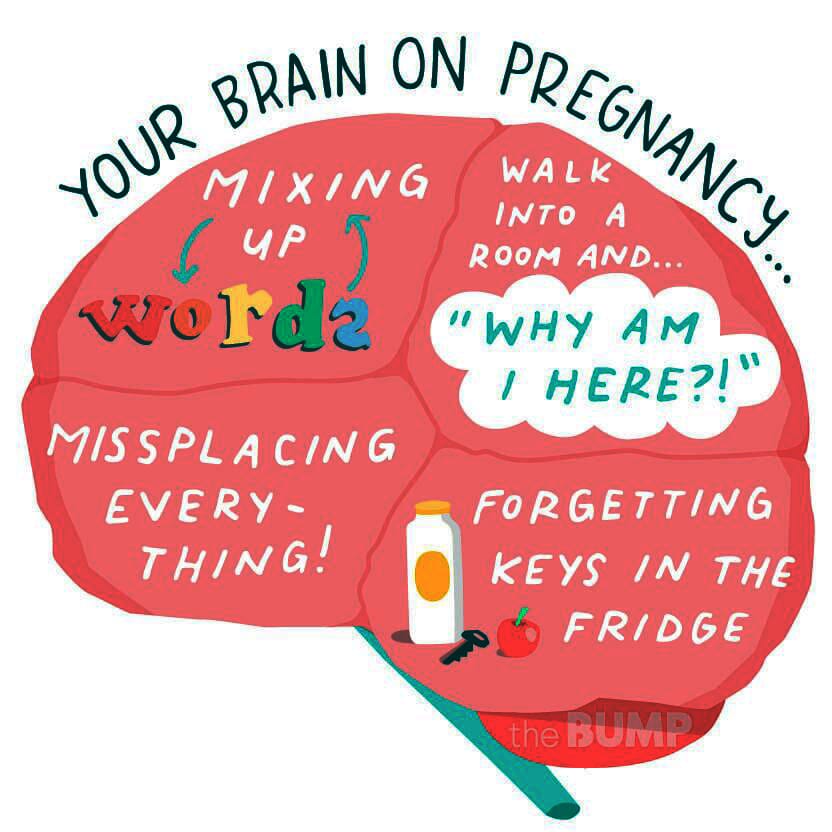
You may have trouble concentrating, remembering details, or remembering things during and after pregnancy. It is commonly referred to as the “mommy brain” or “Pregnancy brain”.
Here are some observations about the pregnancy brain:
Pregnancy Brain Causes
- Changes in Hormones
During pregnancy there are major changes in hormone levels, especially progesterone and estrogen, which can affect neurotransmitter activity and brain function.
- Stress and Anxiety
This makes intuitive sense, your focus and memory may be affected by anxiety or excitement about this new journey and the significant changes it will bring to your life.
- Sleep Deprivation
The majority of women will suffer from insomnia to some degree. Many expectant mothers experience significant fatigue during the first trimester and may never feel completely rested. Early disturbing sensations, including nausea, leg pain, and heartburn, can prevent a woman from falling asleep.
- Prioritization
The brain is temporarily reallocating cognitive resources as it prepares for the baby’s arrival.
Pregnancy Brain Symptoms
- Forgetfulness
Many times, pregnant women say they have trouble remembering simple things like dates, appointments, or where they put things.
- Concentrating Problems
Pregnant women often find it more difficult to concentrate on activities that require mental effort, including reading or work projects.
- Memory Problems
Short-term memory problems, including forgetting what someone is going to say or what has just happened, are often seen.
- Word-Finding Difficulties
During conversations, pregnant women may have trouble remembering certain terms or names.
Managing Pregnancy Brain
- Organization: Task management and forgetfulness can be reduced by using tools such as calendars, to-do lists and reminders.
- Support System: Pregnancy stress can be reduced by leaning on friends, family, and partners.
- Healthy Lifestyle: Overall cognitive performance can be helped by eating a balanced diet, drinking plenty of water, and exercising frequently.
- Give Yourself Some Time To Relax: Make sure you give yourself plenty of time to relax, both physically and mentally.
The sensation of “pregnancy brain” is widely reported, although scientific data is inconclusive. Hormonal, psychological, and lifestyle variables probably contribute. It may be beneficial to talk to a health care professional about any cognitive changes that seem troubling during pregnancy.