
What Is Postpartum Insomnia?
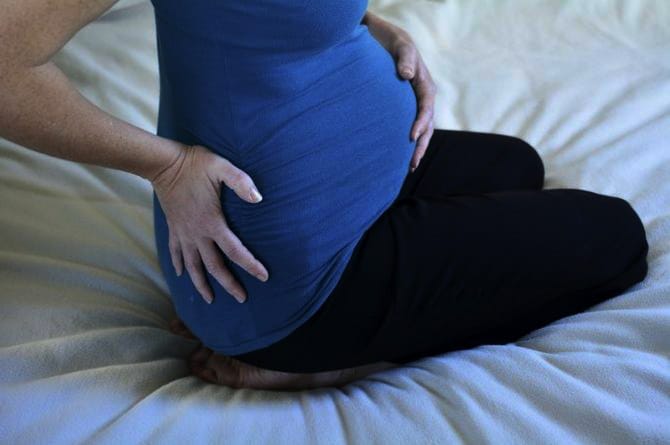
Pregnant women often experience insomnia, especially in the third trimester. Insomnia due to pregnancy can manifest as difficulty falling asleep, difficulty falling asleep, and frequent awakenings in the middle of the night. Sadly, these symptoms can persist for the first few weeks after the baby is born, sometimes called the fourth trimester.
Causes of Postpartum Insomnia
- Changes In Hormones
Hormonal changes are overwhelming for new mothers after labor and delivery. After giving birth, the mother’s progesterone levels decrease. Because progesterone has the ability to induce sleep, falling can make it difficult to fall asleep. The majority of women also have changes in their circadian rhythms and melatonin levels.
- Stress and Anxiety
Insomnia can be exacerbated by worries about the health of the unborn child, adjusting to parenting and juggling other responsibilities.
- Postpartum Physical Changes
Uncomfortable physical changes such as breast burning and night sweats can make it difficult to fall asleep or stay asleep.
- Poor Nutrition
Postpartum women need more nutrition, especially if they are breastfeeding. Physical and emotional distress caused by inadequate nutrition can make it difficult to sleep. It’s also common for a new mom to wake up thirsty or hungry and have trouble getting back to sleep afterward.
- Mental Health Conditions
Anxiety and postpartum depression are two other conditions that can cause sleep deprivation.
Symptoms of Postpartum Insomnia
Postpartum insomnia is characterized by difficulty falling and/or falling asleep. You may wake up too early, sleep too little, or wake up in bed because of insomnia. After these sleep disturbances, many additional symptoms and problems arise, such as:
- Waking up early in the morning
- Low energy and fatigue during the day
- Mood swings and irritability
- Inability to fall asleep or stay asleep
- Inability to concentrate
- Feeling sluggish after sleeping
Managing Postpartum Insomnia
Napping: To make up for lost sleep during the night, take a nap while the baby is sleeping.
Relaxation Techniques: Practice relaxation techniques, such as moderate yoga, meditation, or deep breathing.
Sleep Hygiene: Sleep hygiene means avoiding stimulating activities before bed, creating a comfortable sleep environment, and establishing a regular sleep schedule.
Healthy Lifestyle: A healthy lifestyle includes eating a balanced diet, drinking plenty of water, and getting moderate exercise whenever possible.
Ask For Help: Ask family or friends to help with feeding or other duties at night.
Expert Advice: If your insomnia does not go away, consult a health care practitioner. They may prescribe medication or other treatments such as cognitive behavioral therapy (CBT).
Consequences of Untreated Postpartum Insomnia
Parenting: Insufficient sleep can negatively impair bonding and the general wellbeing of mother and child by making it difficult to provide appropriate care for the newborn.
Physical Health: Fatigue, a compromised immune system, and other health problems can result from prolonged sleep deprivation.
Mental Health: Prolonged sleep deprivation increases the risk of anxiety and postpartum depression.
Conclusion
For the health and well-being of new mothers, recognizing and treating postpartum insomnia is important. If you or someone you know is dealing with this problem, it’s important to get help and take action to improve your sleep quality.