Symphysis Pubis Dysfunction SPD during Pregnancy
The term “symphysis pubis dysfunction” describes symptoms that occur when there is excess movement in the joint that connects your left and right pelvic bones (pubic symphysis). Ligaments hold the joint in place, preventing your pelvic bones from moving or moving beyond their resting position. Hormonal changes during pregnancy cause these ligaments to relax, allowing your pelvic bones to expand during birth due to the increased flexibility of the joints. It can hurt to move your pelvis so much. The pain usually subsides after delivery.
During pregnancy, symphysis pubis dysfunction, or pain at the pubic symphysis joint, can make daily activities difficult. The good news is that the pain usually goes away after childbirth. Talk to your healthcare practitioner about how to manage any symptoms you’re experiencing in the interim.
Symptoms of SPD
The distribution of pressure and weight throughout your body determines how much pain you experience. Movement of your body can reduce or increase pain. Pregnancy can put pressure on the joint from the weight of a fetus or multiple fetuses, exacerbating discomfort. The closer you are to giving birth, the more intense the pain is usually.
As you might feel:
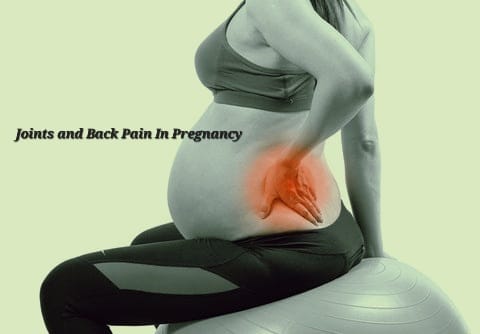
- Discomfort that travels to the groin, thighs, hips, or lower back.
- Pain that gets worse when you move, such as when you walk, climb stairs, or roll over in bed.
- Pelvic pain, especially in the pubic bone area.
- Sensations in the pelvic area that click or grind.
- Waddling or having trouble walking are common symptoms.
Risk Factors
- History of SPD in first pregnancy experiences.
- Experiencing back injuries or pelvic trauma, such as a pelvic injury from a car accident.
- Multiple Pregnancies.
- Either obese or overweight.
- Elevated relaxin hormone levels.
- Expecting a baby who is abnormally large (macrosomia).
Diagnosis and Tests
SPD can be effectively managed with early diagnosis. If you are pregnant and experiencing pelvic pain, see your doctor or other healthcare professional. The strength and stability of your pelvic muscles and joints can be assessed by a physiotherapist, who they can prescribe for you. Moreover, they will help you organize the things you can do.
- Your doctor may perform a physical exam to look for signs of swelling, pain, or tenderness. Your doctor may test you to find out how easily you can perform certain movements.
- Your doctor may use an X-ray, CT scan, or ultrasound to take a closer look at your pelvic joints. If you are pregnant, your doctor will recommend a fetal-safe imaging procedure.
- To determine whether you are pregnant or have had an injury that damaged your pubic symphysis joint, your doctor will review your medical history.
Management and Treatment
A few months after your baby is born, the pelvic pain you’ve been having will go away. When your body stops relaxing, your ligaments contract again and the joint moves less. You can work with your doctor to determine the best course of action to manage your pain in the interim. Some choices are as follows:
- Exercising in water can reduce pain and reduce stress on the pelvic joints.
- To strengthen the back, abdominal and pelvic floor muscles, a physical therapist can create a customized training program.
- Pelvic joints can be stabilized and pain can be reduced by wearing a pelvic support belt.
- During pregnancy, paracetamol, often known as acetaminophen, is commonly prescribed as a safe pain reliever. Before taking any medication, consult a healthcare professional.
- Avoid activities that make the pain worse, such as prolonged standing or heavy lifting. When getting in and out of cars or beds, remember to keep your feet together and maintain proper posture.
- Place a pillow between your legs while sleeping.
- Finding a chiropractor who specializes in treating pregnant patients However, some pregnant patients find relief from chiropractic adjustments.
- Cooling your pelvic area using an ice pack.
- Getting enough sleep is important. For better pelvic alignment, try lying on your side with a pillow between your knees.
Prevention
There is little you can do to protect yourself from developing SPD during pregnancy. However, it’s more common if you’ve had a previous pelvic injury, so you should always take precautions to protect this important part of your body.
Outlook/Prognosis
SPD has no direct effect on your unborn baby, the loss of movement can make pregnancy more difficult. Vaginal delivery can potentially present challenges for some women.
After delivery, the symptoms of SPD often subside. If your symptoms do not improve after talking to your doctor. They may investigate whether there may be another underlying cause.