Neck Pain during and after Pregnancy
Many women experience frequent neck pain during and after pregnancy. This pain can be caused by a number of variables related to the physiological and behavioral changes that occur during this time. Below is a complete breakdown of the reasons and things to consider:
Causes of Neck Pain during and After Pregnancy
- Hormonal Changes: The neck may be more sensitive to pain due to the production of certain hormones during pregnancy, such as relaxing, which loosens ligaments and prepares the body for birth.
- Stress and Tension: The mental and physical stress of pregnancy and caring for a newborn can result in muscle tension and pain.
- Changes in Posture: A pregnant woman’s center of gravity can shift during pregnancy, resulting in postural abnormalities that can put stress on her back and neck muscles.
- Breastfeeding Posture: When you hold the infant in this position, the muscles in your neck and upper back may become tense.
- Sleep Position: Adjustments in sleeping position as a result of a growing belly can cause discomfort and awkward neck positions.
- Weight Gain: The mother’s center of gravity moves forward as the baby grows, often resulting in lumbar lordosis (inward curve of the lower back). This change can result in strain and pain if compensatory changes are made in the upper back and neck.
Management and Relief
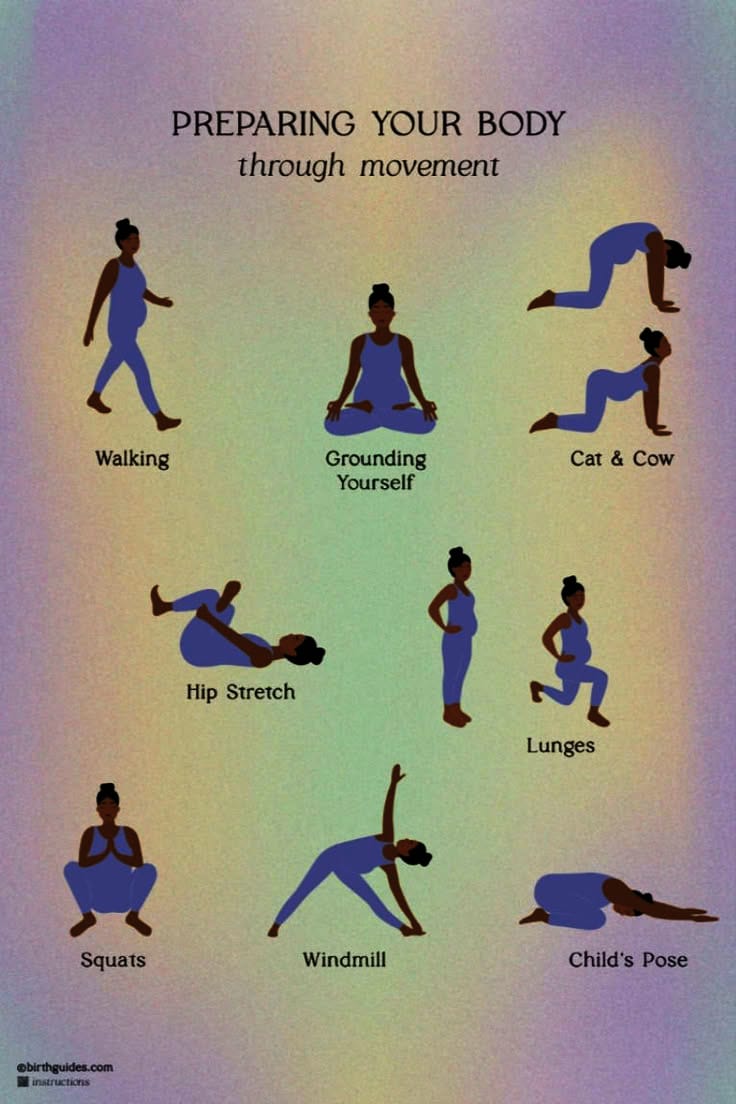
- Exercise and Stretching: Gentle exercise and stretching can help improve posture and strengthen muscles. Prenatal exercise and yoga classes can be helpful.
- Nutrition and Hydration: Eating a balanced diet and drinking plenty of water can support both general health and muscle performance.
- Proper Posture: Using supportive pillows and seats can also help reduce neck strain. It is important to be aware of posture, especially when sitting or standing for long periods of time.
- Heat and Cold Therapy: You can reduce the pain and swelling in your neck by placing a warm compress or cold pack on it.
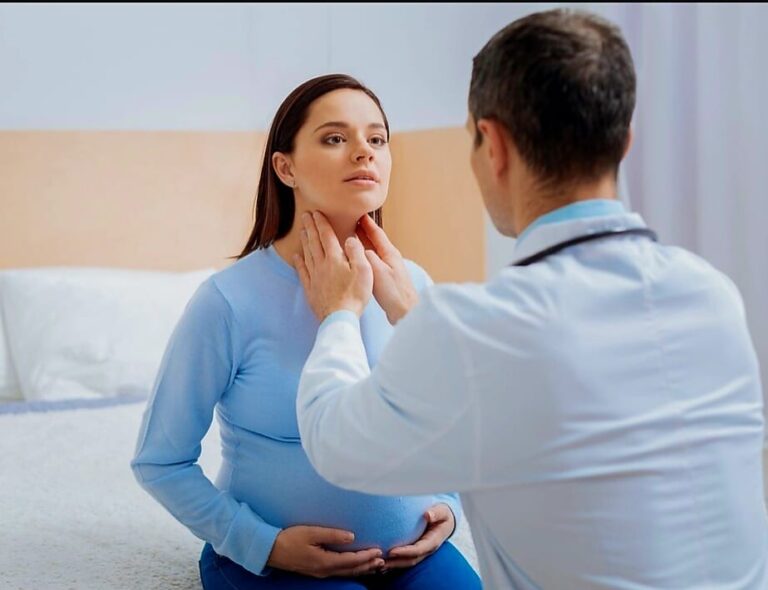
- See a Healthcare professional: If the pain is severe or chronic, see a medical professional. They may recommend physical therapy, chiropractic adjustments, or other treatments.
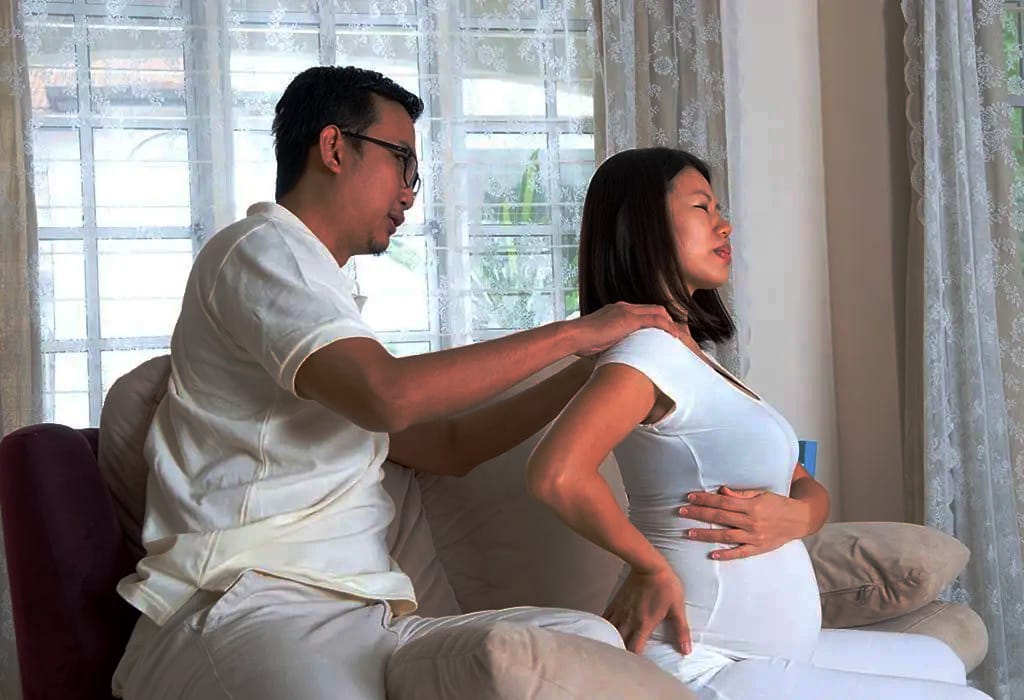
- Massage: Massage during and after pregnancy reduces muscle tension and increases blood flow.
- Position for Breastfeeding Properly: The ideal breastfeeding position is to ensure that you are comfortable. Avoid letting the baby lean forward too much by using cushions to support the baby.
- Pain relief: Your healthcare practitioner may prescribe over-the-counter pain medications such as acetaminophen.
Postpartum Considerations
- Baby wearing Ergonomics: To avoid straining your neck and back, make sure the baby carrier you choose provides adequate support and distributes weight properly.
- Rest and Relaxation: Make sure you get enough sleep and take regular breaks to release tense muscles.
- Return to Exercise Gradually: Physical activity and exercises should be done gradually to build strong muscles in the neck and back. Before beginning any postpartum exercise regimen, talk to your healthcare practitioner.
When to Seek Medical Help
If neck pain is severe, chronic, or accompanied by other symptoms such as numbness, tingling, or weakness, it is important to seek medical help to rule out more serious illnesses.
By following these guidelines, neck pain during and after pregnancy can be controlled and relieved, improving the overall health of both the mother and the unborn child.