Why Do Pregnant People Crave Pickles?

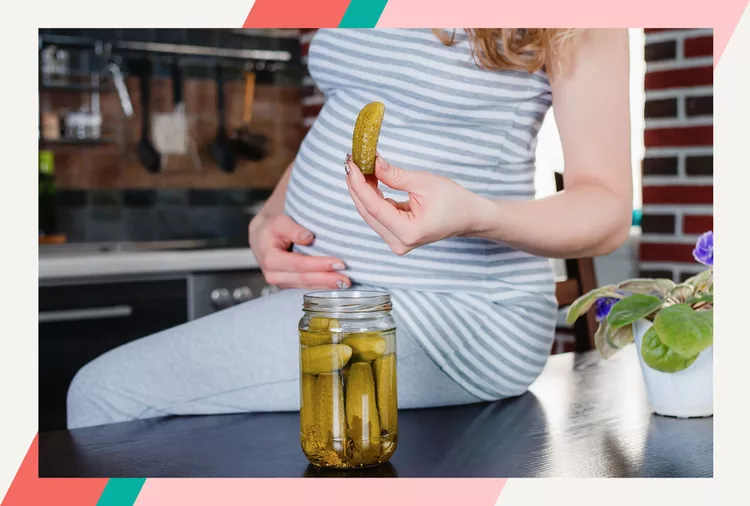
Pregnancy cravings are real and they can be super strong at times. You can’t always predict what you’ll crave during pregnancy. But one food that many pregnant people can’t get enough of are pickles. Yup, that includes pickles themselves, along with pickle juice.

You may be wondering: why do pregnant people crave pickles? There are lots of reasons for this. You can blame the changes of pregnancy, including hormonal shifts and changes in nutritional needs. But there may also be a psychological element to it. After all, pickles are a classic pregnancy craving, and it’s hard not to be influenced by that.

Here, we’ll take a deeper dive into pickle cravings, looking at the reasons behind this craving, how to manage your cravings, and safety considerations to keep in mind when it comes to pickle-eating during pregnancy.

Biological Factors Affecting Pickle Cravings During Pregnancy

Some pregnant people crave the classic snack of pickles and ice cream, and others might crave the oddest things, like mustard straight out of the jar or Cheetos dipped in hot sauce. Having pregnancy cravings is something most pregnant people experience. In fact, a 2014 study found that a whopping 76% of pregnant people experience cravings during pregnancy.1

Your body goes through many profound changes during pregnancy. After all, you are growing an entire human (or more!) inside you. Some of these changes can impact what you do and don’t want to eat during pregnancy. It’s why you might have a strange desire to eat a pickle for breakfast, or why the idea of a pickle dipped in peanut butter sounds totally delightful.

Let’s look at some of the biological changes that occur in pregnancy that might explain pickle cravings.
Similar Posts

  • Hypertension during pregnancy

    Pregnancy is a journey filled with joy and anticipation, but it also brings a host of medical concerns that require careful attention. One of the prime concerns is high blood pressure, a condition that can pose significant risks to both the mother and the developing baby. High blood pressure, or hypertension, during pregnancy is not just…

  • Malaria during pregnancy

    Introduction Malaria, a mosquito-borne infectious disease, is caused by microscopic parasites that invade and multiply within human red blood cells. These parasites, belonging to the Plasmodium genus, are primarily transmitted through the bites of infected female Anopheles mosquitoes. When an infected mosquito bites a human, the parasites are injected into the bloodstream, initiating a complex…

  • Is increased discharge a sign of pregnancy?

    Increased discharge can in fact be a sign of pregnancy. During pregnancy, hormonal changes can produce more vaginal discharge. That discharge, known as leukorrhea, is usually thin and milky-white upon inspection, it has no odor. The vaginal area also undergoes an increased blood flow in response to pregnancy. Furthermore, there is a production of cervical…

  • Preeclampsia during Pregnancy

    One problem related to pregnancy is preeclampsia. If you have preeclampsia, you may experience high blood pressure, proteinuria, high levels of protein in the urine that indicate kidney disease or other signs of organ damage. Preeclampsia usually develops in pregnant women whose blood pressure is in the normal range after 20 weeks of pregnancy. Preeclampsia…

  • Pregnancy and cancer treatment

      Introduction   The diagnosis of cancer during pregnancy presents a profoundly challenging scenario, bringing to the forefront a myriad of complexities that intertwine the lives of both mother and unborn child. This delicate situation demands an intricate balance between two equally paramount objectives: preserving the health and well-being of the mother while ensuring the utmost…

Leave a Reply

Your email address will not be published. Required fields are marked *