Sun Vitamin-D Deficiency during Pregnancy

A steroid vitamin belonging to a class of fat-soluble prohormones is vitamin D.

Pregnancy and vitamin D go hand in hand. For the sake of their own health as well as the proper development of their unborn child, expectant moms should make sure they obtain the required quantities of vitamin D during pregnancy.

Even when the body makes vitamin D when exposed to the sun, some women—especially expectant mothers who live in places with less sun or have darker skin—find it difficult to get enough. Taking a daily prenatal vitamin during pregnancy will help meet your vitamin D needs, even if it is difficult (but not impossible!) to find fat-soluble vitamins in food sources.

Vitamin D deficiency can present with mild symptoms. Muscle pain, weakness, bone pain, and weak bones that can break are some of them.

Vitamin-D supplement in Pregnancy

Most prenatal vitamins contain only 400 IU (10 mcg) of vitamin D, so you may need to take a supplement. Additionally, it can be difficult to get enough vitamin D from food alone, even when you choose a fortified diet.

What about getting vitamin D from the sun?

Your skin uses the sun’s rays to make vitamin D, so some experts recommend getting some (limited) sun exposure. For light skin 10-30 minutes (2-3 days a week) of sun while for darker skin 30-45 minutes will work. When sun hits the skin, it produces Vitamin D3, however liver and kidney convert it into Vitamin D. That’s the vitamin that the body needs and uses.

However, exposure to the sun’s ultraviolet [UV] rays accelerate pigment changes that can cause irregular skin darkening in pregnant women.

Benefits of Vitamin D

Vitamin D helps absorbs calcium creating stronger bones

It improves immune system leading to lower diseases and health risks

Plays excellent stabilizing role in mood regulation

For fetus, it reduces the chances of allergies and asthma in future
Similar Posts

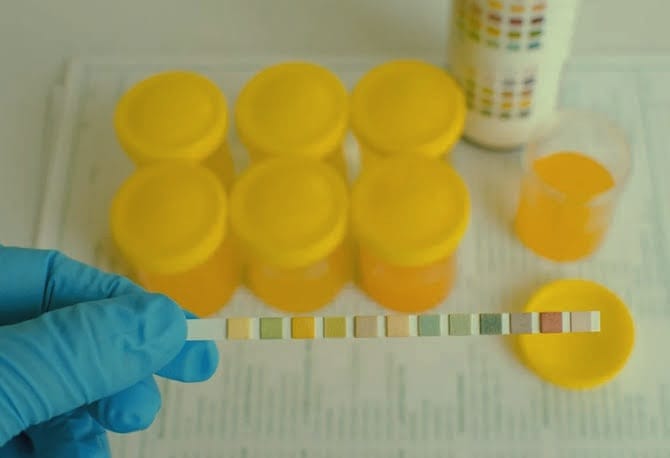
  • Proteinuria in Pregnancy

    During pregnancy, proteinuria has traditionally been a hallmark of preeclampsia, but it is also a nonspecific indicator of renal disease and may result from an elevated plasma protein concentration, increased glomerular permeability, decreased tubular protein reabsorption, and renal hemodynamic alterations. It has been reported that the rate of isolated proteinuria in pregnancy may reach 8%,…

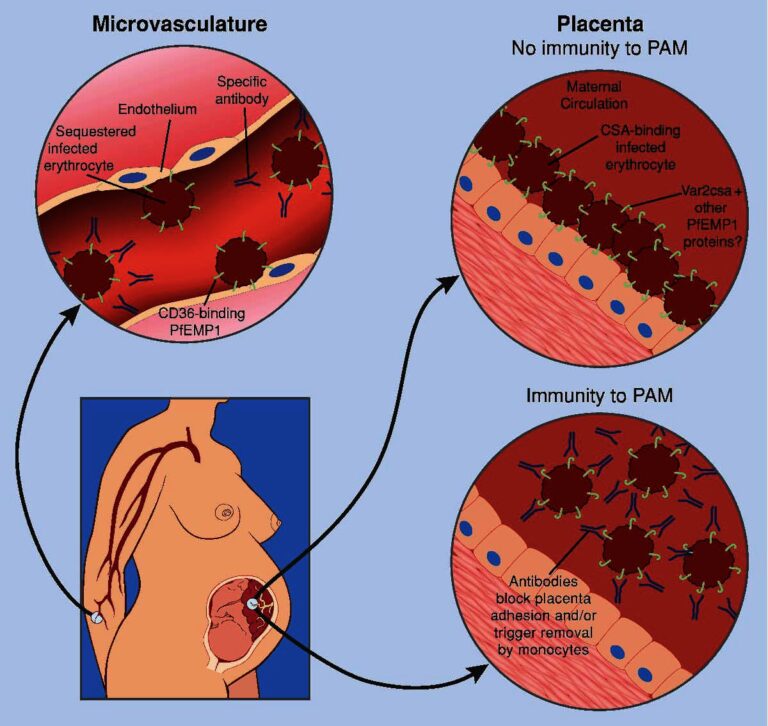
  • Malaria during pregnancy

    Introduction Malaria, a mosquito-borne infectious disease, is caused by microscopic parasites that invade and multiply within human red blood cells. These parasites, belonging to the Plasmodium genus, are primarily transmitted through the bites of infected female Anopheles mosquitoes. When an infected mosquito bites a human, the parasites are injected into the bloodstream, initiating a complex…

  • Urine problems during Pregnancy

    The body changes in a number of ways during pregnancy to make room for the developing baby. Expectant moms may experience frustration and discomfort because of these bodily changes, which may sometimes result in different urinary difficulties. This article will discuss some typical problems with urine during pregnancy and provide management advice. Enhanced Urination The…

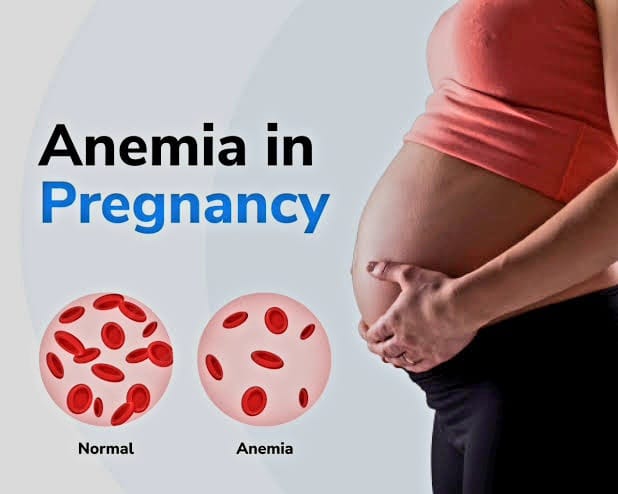
  • Anemia in Pregnancy

    Anemia is a possible side effect of pregnancy. Anemia is a condition in which your red blood cells (RBC) are insufficient to carry oxygen to your tissues and the tissues of your growing baby. When you’re pregnant, your body makes more blood to help your unborn baby grow. Your body production of red blood cells…

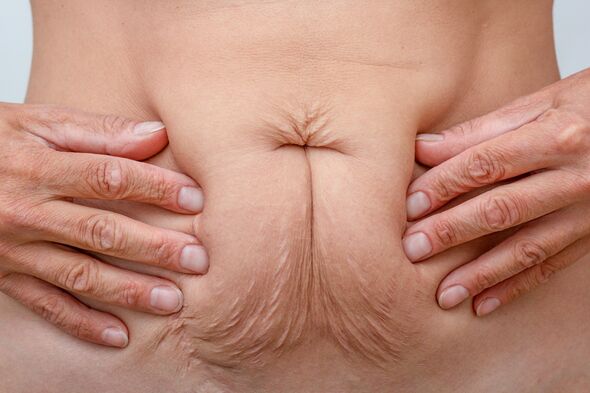
  • Body Weight changes After pregnancy

    Introduction The journey through pregnancy involves significant physical and emotional changes, and one of the most noticeable changes is body weight. After giving birth, many new mothers are eager to return to their pre-pregnancy weight. However, the process can be challenging due to the complex interplay of hormonal adjustments, physical recovery, and the demands of…

Leave a Reply

Your email address will not be published. Required fields are marked *