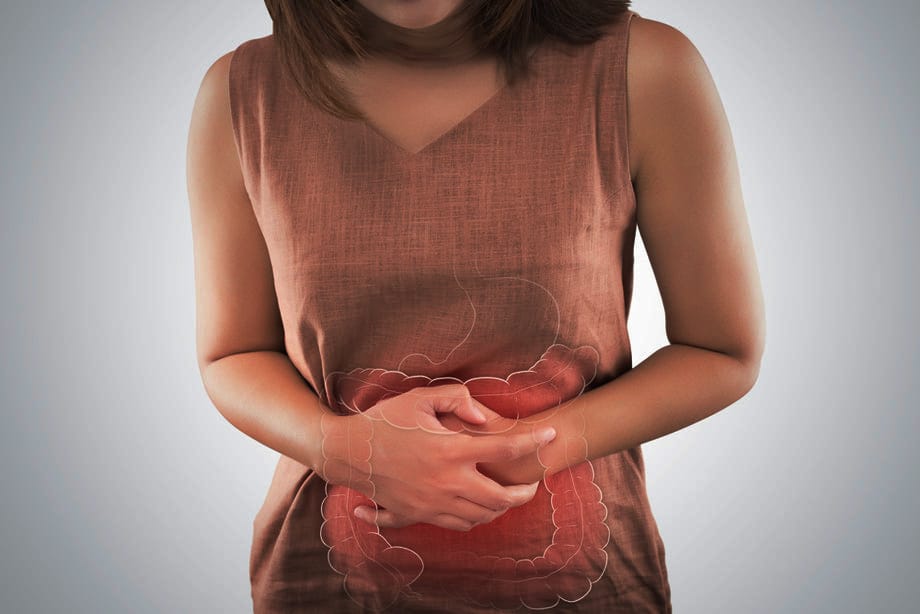
Postpartum Constipation
The postpartum period, which is after childbirth, is a time when constipation is common in women. After delivery, the first six weeks are called the postpartum phase. Your body recovers and gets used to not carrying the baby during this period.
As your body works to get back to normal after giving birth, many things can happen. Constipation is one of the problems that your body can experience. Within a few days of giving birth, your bowel movements should return to normal.
Causes of Postpartum Constipation
Pregnancy is a frequent cause of constipation, but postpartum constipation in particular is usually caused by a variety of causes.
These may include:
- Hormones Changes
Hormone levels, especially progesterone, drop rapidly after childbirth. The pregnancy hormone progesterone causes the digestive system to slow down. Its sudden drop can result in constipation due to irregular bowel movements.
- Pain Medication
Many women are offered painkillers, such as opiates, after childbirth, especially after having an episiotomy or cesarean section. Because they decrease bowel movements, opioids are known to cause constipation.
- Dehydration
Dehydration can occur during childbirth, especially if it is prolonged or there is a lot of blood loss. Dehydration makes waste drier and firmer, making it more difficult to pass. Additionally, during breastfeeding, the body requires more fluids, which can increase dehydration if fluid intake is not increased.
- Changes In Diet
Eating habits can vary after giving birth, especially during the first few days of recovery when some women may not feel like eating. Constipation can be caused by a low-fiber diet or dietary changes due to postpartum illness or exhaustion.
- Fear Related to Pain
Discomfort during bowel movements can be brought on by the possibility of feeling pain, especially if you have had an incision, episiotomy, or suture from a hemorrhoid. This anxiety can cause one to struggle or unconsciously avoid bowel movements, which will worsen constipation.
- Minimum Activity Levels
Women may become less active after giving birth, especially if they are recovering from surgery or are very tired. Constipation can result from a sluggish digestive system caused by lack of physical activity.
How to Get Postpartum Constipation Relief
Constipation causes discomfort after childbirth. You can find relief in a few different ways.
Some suggestions are provided below:
- Stay Well Hydrated
Drink at least 8 to 10 glasses of water daily. Passing suction becomes easier when adequate hydration is maintained. Because breastfeeding requires extra hydration, you may need even more fluids.
- Exercise Gently
Bowel movements can be achieved with light exercise such as walking or stretching. You can stimulate your digestive system by taking short walks around your home. Stress can lead to constipation, so exercise is also helpful in reducing it.
- Increase Your Fiber Intake
Eat high-fiber foods, such as fruits, vegetables, whole grains, and beans, to increase your fiber intake. Consider taking fiber supplements if needed.
- Consider a Stool Softener
If dietary changes and increased hydration are insufficient, over-the-counter stool softeners may be helpful. These drugs work by making the stool more watery, making it easier to pass. It is very important to talk to your healthcare professional before taking any medication, especially if you are breastfeeding.
- Peace of Mind
When the urge to go to the bathroom arises, try to stay calm and take your time. Hemorrhoids can be caused by stress, or it can aggravate them and cause more pain. This can be facilitated by taking a few minutes in a quiet environment and taking deep breaths.
- Prune Juice
Due to its high content of sorbitol, a sugar alcohol that draws water into the intestines to soften stools and promote bowel movements, prune juice is a natural remedy for constipation. Drinking a small glass of prune juice can often relieve constipation.
- Warm Baths
Relaxing the muscles around the anus with a warm bath can make bowel movements easier and less painful. This is especially beneficial if you are experiencing discomfort from stitches or hemorrhoids.
Prevention Tips
- Postpartum Diet: Focus on a balanced diet that helps your body digest food by providing plenty of fiber and fluids.
- Establish a Routine: To train your body’s digestive system, try to have a bowel movement at the same time every day, preferably after meals.
- Pelvic Floor Exercises: Kegel exercises help build the muscles in the pelvic floor, which can facilitate better bowel movements.
- Don’t Resist the Urge: Try to leave as soon as you feel the need. Procrastination can aggravate constipation.
When to Seek Medical Help
If postpartum constipation is severe, lasts more than a few days, or is accompanied by symptoms such as severe abdominal pain, vomiting, blood in the stool, or a high temperature, it is important to seek medical help right away. These may indicate a more serious illness such as an infection or intestinal obstruction.
Make lifestyle adjustments and use over-the-counter medications to treat postpartum constipation, which is usually a temporary condition. But you can avoid or reduce the suffering from this disease by being aware of the causes and taking preventive measures.